


The way we live in our homes has changed dramatically over the past decade. From voice activated assistants to energy efficient systems, technology has become an integral part of modern living spaces. As real estate continues to evolve, homerocketrealty modern technology represents the cutting edge of how homeowners and property seekers are experiencing smarter, more connected living environments.
The Smart Home Revolution
Walk into any contemporary home today, and you’ll likely encounter technology that would have seemed like science fiction just twenty years ago. Smart thermostats learn your preferences and adjust temperatures automatically. Security cameras send real-time alerts to your smartphone. Lighting systems respond to voice commands or adjust based on the time of day. This transformation isn’t just about convenience; it’s about creating living spaces that adapt to our needs and lifestyles.
The integration of these technologies has fundamentally changed what buyers expect from properties. Modern homeowners want more than four walls and a roof. They’re looking for homes that can communicate, respond, and optimize themselves for comfort and efficiency. This shift in expectations has pushed the real estate industry to adapt rapidly.
How Technology Is Reshaping Property Discovery
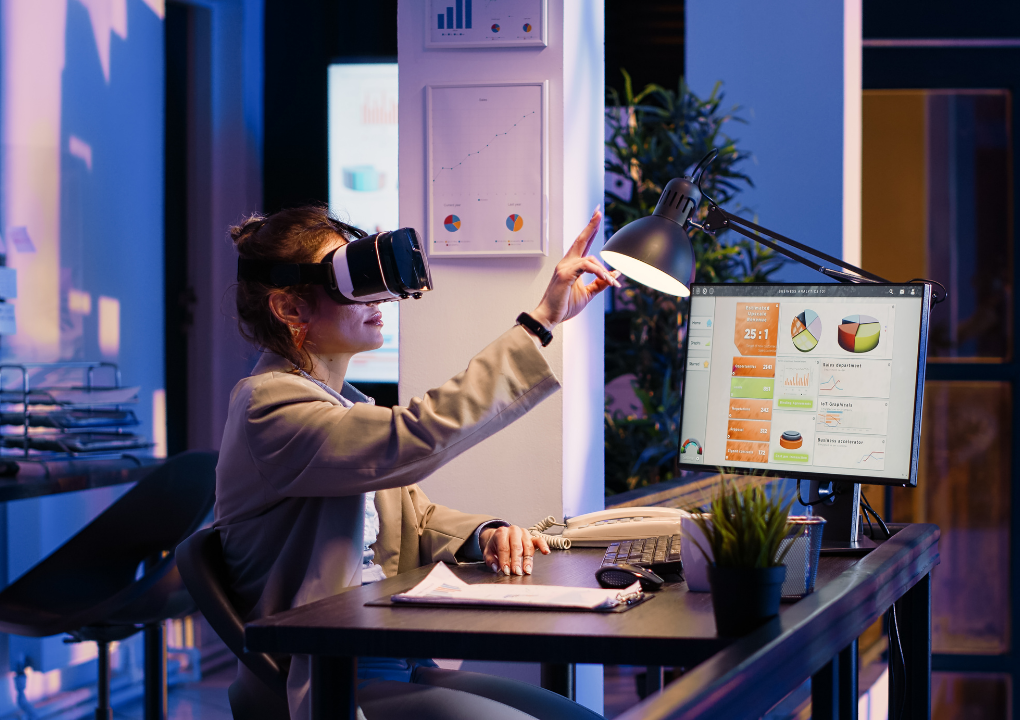
Finding the perfect home used to mean driving from property to property, scheduling multiple viewings, and relying solely on static photographs in listings. Today’s home search experience is vastly different. Virtual reality tours allow prospective buyers to walk through properties from their living rooms. High-definition drone footage provides aerial perspectives of neighborhoods and properties. Interactive floor plans let viewers understand spatial relationships before ever setting foot inside.
Homerocketrealty modern technology has revolutionized this discovery process by incorporating advanced visualization tools that give buyers unprecedented access to property information. Three dimensional scanning technology creates immersive experiences that capture every detail of a home, from the texture of countertops to the way natural light fills each room throughout the day. This level of detail helps buyers make more informed decisions and reduces the time spent visiting properties that don’t meet their needs.
Energy Efficiency and Sustainability Features
One of the most significant impacts of modern technology in homes is the advancement of energy efficient systems. Solar panels have become more affordable and efficient, with many homeowners now generating a substantial portion of their electricity needs. Smart energy management systems monitor consumption patterns and suggest ways to reduce waste. Water-saving fixtures and greywater recycling systems help conserve precious resources while lowering utility bills.
These sustainability features aren’t just good for the environment, they’re becoming major selling points. Homes equipped with modern energy technology often command higher prices and sell faster than comparable properties without these features. Buyers recognize that the upfront investment in these technologies pays dividends through reduced operating costs and increased home value.
Connected Home Ecosystems
The concept of the Internet of Things has moved from tech buzzwords to everyday reality in modern homes. Refrigerators that track inventory and suggest recipes, washing machines that order their own detergent, and irrigation systems that check weather forecasts before watering lawns. These connected devices work together to create seamless living experiences.
Homerocketrealty modern technology encompasses these interconnected systems that communicate with each other to optimize home performance. A single smartphone app can control dozens of devices, creating scenarios where leaving for vacation means automatically adjusting the thermostat, locking all doors, shutting off water supplies, and activating security systems with a single tap. This level of integration was unimaginable a decade ago, but is increasingly standard in newly constructed and renovated homes.
Enhanced Security and Peace of Mind
Home security has evolved far beyond traditional alarm systems. Today’s security technology includes facial recognition doorbells, smart locks that can be controlled remotely, glass break sensors, and AI powered cameras that distinguish between family members, visitors, and potential threats. These systems don’t just alert homeowners to problems they provide real time visual confirmation and the ability to respond immediately, even from thousands of miles away.
Integration with emergency services has also improved dramatically. Modern systems can automatically contact fire departments when smoke detectors activate or alert authorities during security breaches. This rapid response capability provides homeowners with peace of mind that was previously impossible to achieve.
The Role of Artificial Intelligence in Modern Homes
Artificial intelligence has quietly become one of the most transformative forces in home technology. AI algorithms learn from your behaviors and preferences, gradually becoming more effective at predicting your needs. Voice assistants powered by AI can answer questions, control smart home devices, play music, provide news updates, and even help with cooking by reading recipes aloud.
Beyond convenience, AI is making homes safer and more efficient. Predictive maintenance systems can identify potential problems with HVAC systems, plumbing, or appliances before they fail completely, saving homeowners from expensive emergency repairs. Machine learning algorithms optimize energy usage by understanding patterns and making micro-adjustments that collectively result in significant savings.
Accessibility and Universal Design
Modern technology has made homes more accessible for people with disabilities and aging individuals who want to maintain independence. Voice controlled systems eliminate the need for physical switches and buttons. Automated doors, adjustable countertops, and smart bathroom fixtures can be customized to accommodate various mobility levels. Video communication systems make it easier for family members to check in on elderly relatives.
These accessibility features represent more than just thoughtful design; they reflect a broader understanding that homerocketrealty modern technology should serve everyone, regardless of physical capabilities. As populations age in many developed countries, these technologies will become increasingly important factors in property values and desirability.
The Future of Home Technology Integration
Looking ahead, the integration of technology in homes shows no signs of slowing down. Emerging innovations include advanced air purification systems that continuously monitor and improve indoor air quality, augmented reality systems that can transform wall appearances at the touch of a button, and even more sophisticated AI that can manage complex household tasks.
The properties that embrace homerocketrealty modern technology are positioning themselves at the forefront of this evolution. Homes are becoming platforms for innovation, where new technologies can be integrated seamlessly into existing systems. This modular approach to home technology ensures that properties can adapt to future innovations without requiring complete overhauls.
Making Technology Work for Your Lifestyle
While the array of available home technologies might seem overwhelming, the key is choosing systems that genuinely enhance your lifestyle rather than simply adding complexity. Not every home needs every available technology. The most successful implementations focus on addressing specific needs, whether that’s energy savings, security, convenience, or entertainment.
Working with knowledgeable professionals who understand both technology and real estate can help homeowners and buyers navigate these options effectively. The goal isn’t to create a technology showcase but to develop a living environment that feels natural, responds intuitively, and genuinely improves daily life.
Conclusion
The transformation of homes through modern technology represents one of the most significant shifts in how we think about residential spaces. From energy efficiency to security, from convenience to accessibility, technology has touched every aspect of home life. As these innovations continue to evolve and become more affordable, they’re moving from luxury features to expected amenities.
The integration of advanced systems and smart devices isn’t just changing individual properties; it’s reshaping entire neighborhoods and communities. As we move forward, the homes that successfully balance technological capability with livability and user-friendliness will set the standard for modern living. The future of residential real estate lies in creating spaces that are not just shelters but intelligent environments that enhance our lives in countless ways.